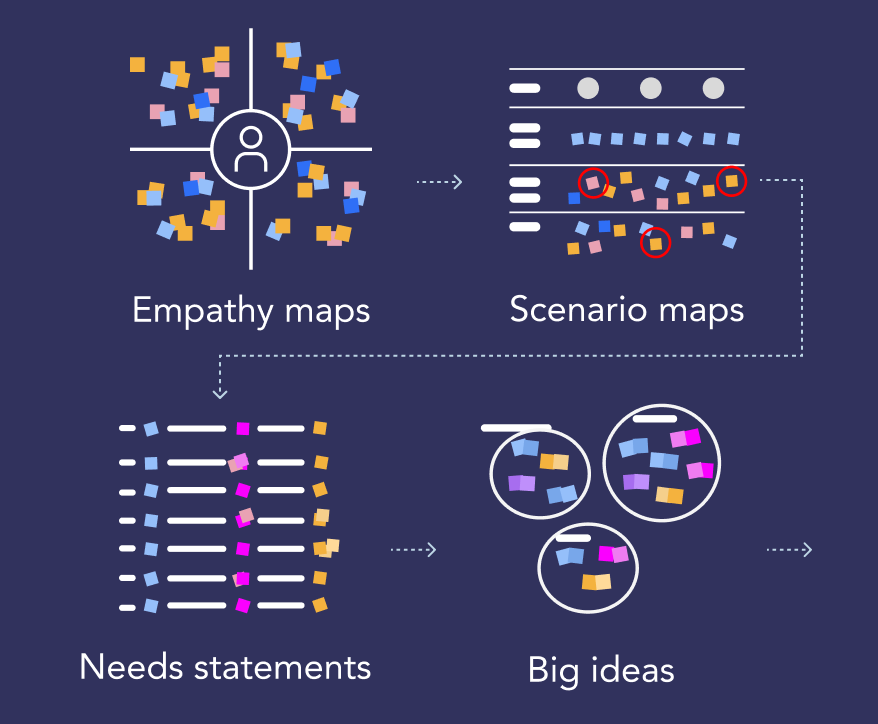
Contents
The ask
What does compelling and engaging content look like?
Here are some examples of compelling and engaging content that I found memorable and serve as great examples for this week's class discussion on "What Makes Writing Compelling?"
-
1. Ensures that the content is relatable
Nielsen Norman's 10 Usability heuristics is engaging because you can use these rules of thumb as a guide in your UX work to ensure your designs are usable. -
2. Applies voice and style according to the context of the content
Mailchimp's library of marketing guidance uses a practical, easy-to-read voice and style. This helps reduce adoption barriers that could otherwise make potentially complex user guidance insurmountable. -
3. Helps the reader understand the value of what they are reading
This video, Why Maine's Blueberry Farmers Are Losing Millions, reported by Business Insider opens with quantifiable metrics on why the blueberry harvest in Maine is important to the blueberry industry in the USA. -
4. Uses effective story telling technique
The Newfoundland and Labrador Tourism ad The Secret Language of Clotheslines is a great example of effective storytelling because it captures you with a great headline, invites you in to understand the culturally significant topic of doing the laundry in NFLD, and it weaves in old fashion Newfie humour at every turn.
What does compelling and engaging learning content look like?
- 1. It is tailored to your audience
- 2. It has a clear “What's in it for me?” statement
- 3. It meets the audience where they are today with their learning journey
- 4. It uses appropriate tone and voice
- 5. It communicates using best writing practices
The outcomes
How to get there using Design Thinking
Design Thinking activities help root our designs and writing in best practices for creating compelling, and engaging content. By gathering information, analyzing our data, empathizing with our audience, anchoring our decisions in user needs, executing toward user goals, and iterating through user feedback, we ensure that our work is relevant, compelling, engaging, and evolves toward a better learning experience for all.
To get started here are some practical steps you can take to apply Design Thinking activities in your learning experiences.
Steps:
- 1. Gather information: User interviews help gather data about our learners. This data informs the what, when, how, and why for our learner's experience.
- 2. Information analysis: Whiteboarding is used to analyze and cluster the data we gathered in step one. This data is then used to inform our learner personas in step three.
- 3. Write the persona: Empathy mapping and persona templates anchor our understanding of our users and learner archetypes.
- 4. Use the persona: User needs statements are based on real user needs and pain points discovered in steps one to three. User stories help us build content that addresses real learner needs.
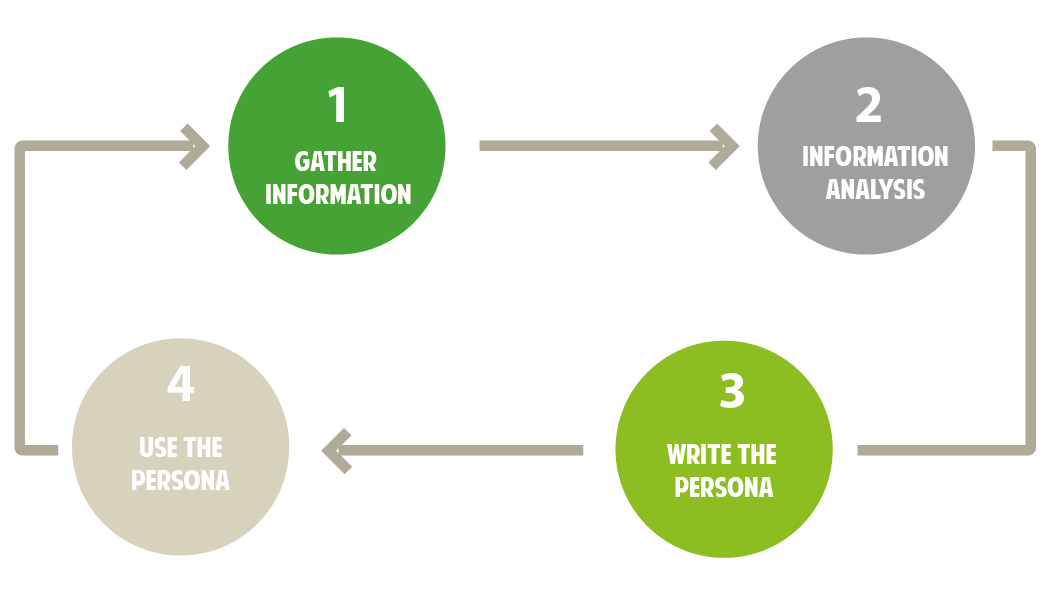
Image source: The ultimate cheat sheet for creating learner personas
Supporting resources from OISE
- The Ultimate Cheat Sheet for Creating Learner Personas
- These 12 Questions Will Help You (Really) Know Your Learners
- Short Guide to Writing Good Copy
- Criteria for Writing Compelling, Lean and Online Content (document link coming soon)
The learnings
Try it yourself
Are you ready to get started building compelling and engaging content for your learning audience? Here are some helpful activities and templates that you can use in each phase of your work building design journeys for your learners.
-
1. Gather information
- Activity: User interviews
-
2. Information analysis
- Template: Whiteboarding (template link coming soon)
-
3. Write the persona
- Activity: Empathy maps
- Template: Persona templates (template link coming soon)
-
4. Use the persona
- Activity: User need statements
- Activity: User stories template